
+91 9664756800
info@satyamint.com
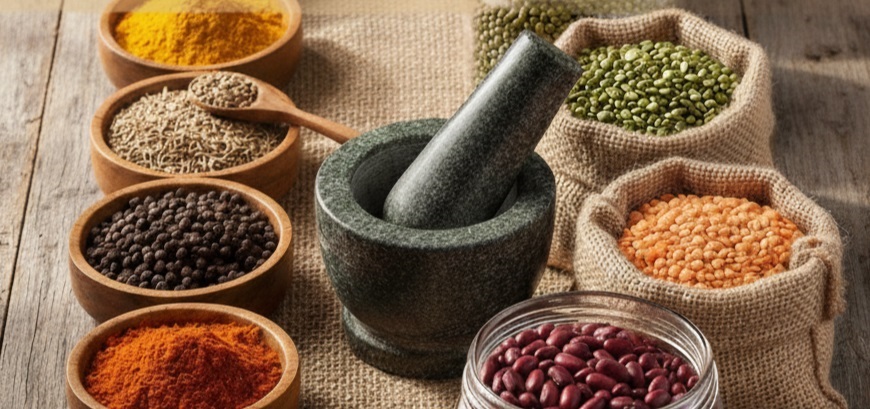
In the culinary world, a spice refers to any dried part of a plant—excluding the leaves—used to season, flavor, or preserve food.
Spices include seeds, fruits, roots, barks, or flower buds that bring vibrant taste, color, and aroma to dishes.
For example:
Cinnamon is derived from the bark of a tree.
Cardamom comes from seed pods.
Cloves are dried flower buds.
Allspice is a dried berry.
Spices are often used whole or ground into powders for convenience. Beyond taste, they offer remarkable health benefits, making them a vital part of cuisines across the globe.
Spices in India
India has been known as the “Land of Spices” for centuries. It is the largest producer of key spices such as cardamom, chilies, black pepper, mustard, and coriander.
Indian spices are treasured for their rich aroma, color, and robust flavor, which have made them highly sought-after in global markets.
India also holds the title of being the largest domestic consumer of spices, thanks to its diverse culinary traditions.
According to DGFT, India exported spices worth USD 4.1 billion in FY 2021–22.
Out of 109 spice varieties listed by the International Organization for Standardization (ISO), India produces about 75.
Major spices exported include pepper, cardamom, chili, ginger, turmeric, coriander, cumin, celery, fennel, fenugreek, garlic, nutmeg, mace, spice oils, and extracts.
At Satyam International, we proudly carry this heritage forward by sourcing, processing, and exporting premium-quality Indian spices to markets across the Gulf, Africa, and beyond.
Health Benefits of Popular Indian Spices
Indian spices are not just about flavor—they have been used in Ayurveda and traditional medicine for centuries.
Cinnamon: Anti-inflammatory; may help reduce cholesterol and cell damage caused by free radicals.
Ajwain (Carom Seeds): Supports digestion, relieves stomach and tooth pain; rich in fiber, calcium, and proteins.
Coriander: Seeds, extracts, and oils help regulate blood sugar by boosting insulin release.
Cumin: Packed with antioxidants; supports digestion and protects against foodborne infections.
Clove: Clove oil relieves toothaches, sore throat, colds, and even supports heart health.
Saffron: Helps with respiratory issues like asthma and improves skin health.
Turmeric: A natural anti-inflammatory superfood; promotes immunity, wound healing, diabetes management, and even cancer prevention.
At Satyam International, we ensure that our spices are processed and stored with utmost care to preserve these natural health benefits.
How to Store Spices Correctly
Proper storage is essential to maintain the potency, aroma, and shelf life of spices:
Keep them in a cool, dry, and dark place—away from direct heat (like near the stove).
Use airtight, opaque jars or insulated spice racks to avoid exposure to light and moisture.
Whole spices can stay fresh for up to 4 years, while ground spices retain their flavor for 2–3 years if stored properly.
Are Spices Perishable?
While spices don’t spoil or decay like fresh produce, they do lose their flavor and aroma over time.
Using fresh or freshly ground spices ensures the best taste in cooking.
At Satyam International, we focus on timely sourcing, airtight packaging, and controlled storage so that our customers receive spices at their peak freshness.
Bringing the Essence of India to the World
Spices are more than just ingredients; they are the heart of global cuisines.
A single spice can transform a dish, adding depth, character, and health benefits.
At Satyam International, we combine India’s rich spice heritage with modern quality standards, ensuring our clients receive spices that deliver authentic flavor and consistent quality.
“From the farms of India to kitchens worldwide – Satyam International delivers the true essence of spices.”
📩 For Inquiry Contact Us by Mail : info@satyamint.com Or Mobile +91 9664756800